Best Home Gym Equipment for Tall People in 2026 — Verified Dimensions
The best home gym equipment for tall lifters and runners in 2026. Squat racks, benches, treadmills, and rowers with verified heights, belt lengths, and dimensions for users 6'2"+.
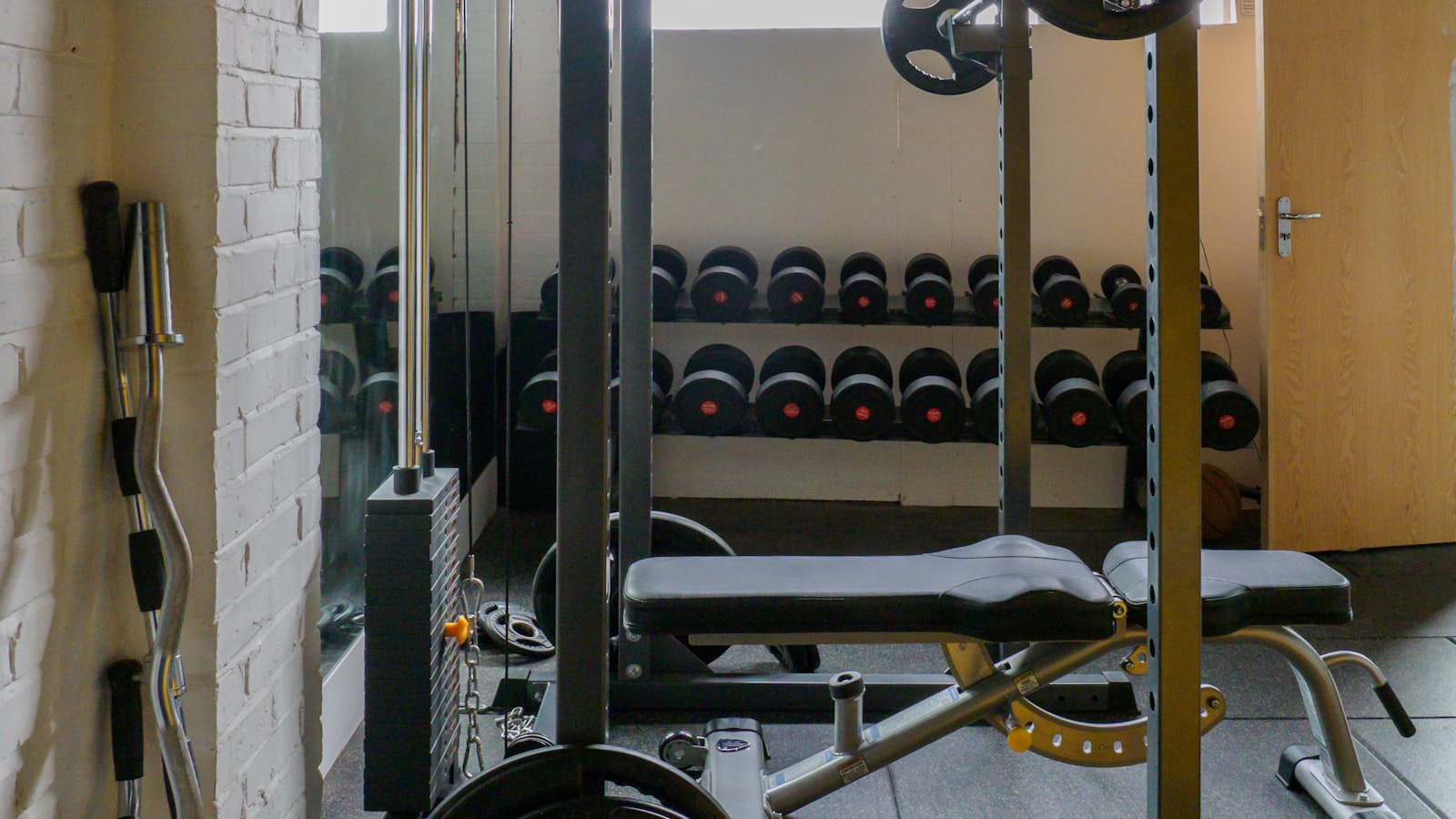
Home gym equipment is engineered for the average user — typically 5’8”–6’0”. For a tall lifter, runner, or rower (6’2”+), every category has a problem the spec sheet doesn’t always advertise.
The squat rack’s pull-up bar sits at 84”–86”, which means you press the bar mid-press and never get full lockout. The adjustable bench’s back pad is 47”–50” long, which means your head hangs off the end during bench press, killing your shoulder position. The treadmill belt is 55”–58”, which is fine for a 5’10” runner at 6 mph but cuts dangerously short for a 6’5” runner at 9 mph with a long stride. The exercise bike’s seat post maxes around 38”, which means your knees hit the handlebar at full extension.
This guide ranks the best home gym equipment by the specific dimension that matters for tall users in each category — verified against manufacturer specs.
The Short Answer
For squat racks: Rogue S-2 Squat Stand 2.0 at 92” height — fits 8’-ceiling garages while still leaving pull-up room. For benches: REP AB-5200 2.0 with a 55” total pad length (42” back, 12” seat). For treadmills: Sole F85 with a 22” × 60” belt — long enough for a 6’5” runner at full pace. For rowing: Concept2 RowErg in either standard or 20-inch tall configuration — fits inseams up to 38” stock, with an extra-long monorail available for longer inseams. The combined cost for a complete tall-spec home gym from these picks is roughly $4,000–$5,500 depending on configuration.
Verified Specs by Category
| Category | Pick | Tall-Specific Spec | Footprint | Price |
|---|---|---|---|---|
| Squat Stand | Rogue S-2 Squat Stand 2.0 | 92” tall | 48”×48” | $565 |
| Power Rack | Rogue R-3 Power Rack | 90”+ height options | ~50”×50” | $885+ |
| Adjustable Bench | REP AB-5200 2.0 | 55” total pad length (42” back + 12” seat) | 17”×54” | $479 |
| Treadmill | Sole F85 | 60” × 22” belt | 86”×37”×66” | $1,999 |
| Treadmill (budget) | NordicTrack C990 | 60” belt | similar | $1,099 |
| Treadmill (premium) | Assault Runner Elite | 62.2” deck (longest) | 70”×33” | $2,999 |
| Rowing | Concept2 RowErg | fits inseams to 38” stock; extra-long monorail available | 96”×24” | $990 (std) / $1,090 (tall) |
What to Actually Look For
Squat Racks: Height vs. Ceiling
The tall-lifter squat rack problem isn’t usually the rack — it’s the ceiling above the rack. A 92” rack needs a ceiling of at least 96” (8 feet) to allow even a token pull-up. For comfortable strict pull-ups by a 6’4” lifter, you really need 102”–108” (8.5–9 feet). Before shopping for a tall rack, measure your actual ceiling and confirm you can use the height. A 96” tall rack in a basement with 92” ceilings is worse than an 84” rack in the same space.
For garage gyms with standard 8-foot ceilings, the Rogue S-2 at 92” is the right ceiling. It clears the rack but leaves limited overhead room for pull-ups; you’ll press with bent knees.
Bench: Pad Length, Not Just Adjustability
The standard adjustable bench has a back pad of 30”–32” and a seat pad of 14”–17”, for a total length of 45”–49”. For a 6’4” lifter on flat bench, the head extends past the end of the pad — which means there’s nothing under your head to support neck position and nothing to push against for the shoulder retraction that defines a proper bench press setup.
The fix is a bench with a back pad of 38”+ (42” is ideal) and a total pad length of 55”+ — the REP AB-5200 specifically. The Rep AB-3100 and AB-5000 are lighter alternatives at similar pad lengths.
Treadmill: Belt Length AND Width
Belt length determines maximum running speed for your stride. Belt width determines stability at speed.
- Belt length: 60”+ minimum for tall runners. 62”+ for runners 6’5”+ at sustained 7:00/mile pace or faster.
- Belt width: 22” minimum for runners over 6’0”. A 20” belt forces a narrower foot strike than your natural running gait, which causes hip strain over long runs.
The standard “user height up to X feet” claim is meaningless without belt dimensions — verify the inches.
Rower: Monorail Length
The Concept2 RowErg stock monorail accommodates inseams up to 38” (about a 6’9” rower with average proportions). Above that, Concept2 sells a $250 extension that adds 5” to the monorail length, fitting inseams to 43” (about a 7’4” rower). The RowErg is one of the only pieces of standard home gym equipment that doesn’t actually require a tall variant for tall users — the stock unit fits almost everyone.
Spin Bike: Saddle Height and Crank Length
Spin/exercise bikes are the trickiest category. Most max out at a saddle height of about 38” from the floor, which works for a rider with an inseam up to about 36” (around 6’4”). Above that, the knee never reaches full extension at the bottom of the pedal stroke, which kills both power and joint health.
For 6’5”+ riders, the workable options are limited: Schwinn AC Performance Plus (saddle to 39”), Wahoo KICKR Bike (custom geometry, no seat post limit), and custom spin bike builds (specialty shops). No mainstream consumer spin bike under $1,500 reliably fits 6’7”+ riders.
Our Top Picks
1. Squat Stand: Rogue S-2 Squat Stand 2.0
The tall-specific spec: 92” height Best for: Tall lifters in garages with 8-foot ceilings Price: $565 base configuration
The Rogue S-2 is the right answer for most tall lifters. At 92” tall with a 48”×48” footprint, it fits comfortably under 8-foot ceilings with limited pull-up space (you’ll bend knees) — and it leaves room for plate storage, J-cup adjustment, and the rest of the setup. The S-2 specifically uses 2”×3” 11-gauge steel which is stronger than competing $500 racks (most use 11- or 14-gauge).
For taller ceilings, the Rogue R-3 Power Rack (full 4-post cage) is the upgrade — 90”+ height options, full pull-up room, more attachment compatibility — but it requires more floor space and ceiling height.
Where it falls short: If your ceiling is exactly 8 feet (96”), the S-2 leaves only 4” of overhead room. For comfortable pull-ups, you want at least 12” of ceiling above the bar — which means 102” total minimum.
Where to buy: [AFFILIATE LINK: Rogue Fitness]
2. Adjustable Bench: REP AB-5200 2.0
The tall-specific spec: 55” total pad length (42” back + 12” seat with 1.8” gap) Best for: Tall lifters bench pressing or doing seated DB work Price: $479
The REP AB-5200 has the longest back pad of any home-gym adjustable bench under $500. The 42” back is long enough that a 6’5” lifter’s head fully clears the top of the pad with several inches to spare — eliminating the awkward head-overhang issue that plagues standard benches. 7 back angles (0° to 85°), 3 seat angles, 1,000 lb weight capacity, 11-gauge steel build.
Where it falls short: 115 lb weight — heavier than mid-tier benches, harder to move. The optional 14” wide pad upgrade (vs. standard 12”) is worth considering for tall lifters with broad shoulders.
Where to buy: [AFFILIATE LINK: REP Fitness]
3. Treadmill (Premium): Sole F85
The tall-specific spec: 22” × 60” running belt Best for: Tall runners doing daily training at home Price: $1,999
The Sole F85 is the tall-runner-specific premium treadmill. The 60” × 22” belt is long enough for a 6’5” runner at sustained tempo pace and wide enough for stable foot strike. The deck is shock-absorbing without being mushy — preserves a real running feel. 4.0 CHP motor, fold-up deck, 22 mph max speed.
Where it falls short: The 86” × 37” × 66” footprint is large. Folding helps, but plan for a dedicated room. The C990 below is the cheaper option if budget is the constraint.
Where to buy: [AFFILIATE LINK: Sole Treadmills]
4. Treadmill (Budget): NordicTrack C990
The tall-specific spec: 60” belt Best for: Tall runners on a budget Price: $1,099
The C990 hits the 60” belt threshold at roughly half the price of the Sole F85. Construction is lighter (3.0 CHP motor, narrower belt at 20” — the borderline width for runners 6’0”+), but the math works for occasional running. For dedicated runners 6’4”+, the Sole F85’s wider belt is worth the upgrade.
Where to buy: [AFFILIATE LINK: NordicTrack]
5. Treadmill (Premium / Curved): Assault Runner Elite
The tall-specific spec: 62.2” deck (longest in production) Best for: Tall sprinters and HIIT users who want a curved, unpowered deck Price: $2,999
The Assault Runner Elite is a curved, unpowered treadmill — meaning your effort drives the belt, not a motor. The 62.2” deck is the longest stock running surface available for home use, which gives tall sprinters more room than even the Sole F85 at $1,000 less belt length than the curved deck would provide vertically. The curved design also doesn’t have a max speed — you run as fast as you can drive the belt.
Where it falls short: Curved treadmills are an acquired feel; many runners need 1–2 weeks to adapt. They’re significantly more demanding than a powered treadmill at the same speed. Not the right answer if you want steady-state cardio.
Where to buy: [AFFILIATE LINK: Assault Fitness]
6. Rowing Machine: Concept2 RowErg
The tall-specific spec: Fits inseams up to 38” stock (about 6’9”); $250 extension fits to 43” (about 7’4”) Best for: Tall rowers, runners cross-training, anyone doing serious rowing Price: $990 (standard 14” seat) / $1,090 (tall 20” seat)
The Concept2 RowErg is the only piece of mainstream home gym equipment that fits tall users without requiring a tall variant. The stock monorail length accommodates inseams up to 38” (about 6’9”+), and Concept2 sells a separate 5” monorail extension for $250 that pushes the fit to inseams of 43” (roughly 7’4”).
Two seat-height options: standard at 14” off the floor (easier rowing position) and Tall at 20” off the floor (easier on/off, often preferred by users with mobility considerations — not actually about user height).
Where to buy: [AFFILIATE LINK: Concept2]
Cable Machine and Functional Trainer
The home cable machine category has fewer tall-specific issues than the categories above, because cable machines are typically standalone towers (60”–80” tall) with adjustable pulleys covering the full vertical range. Standard mainstream picks (REP FT-5000, Rogue Echo CFT, Force USA G6) all work for tall users without modification. Verify pulley travel range covers from ankle (3”–6” off floor) to overhead (84”+) — most do.
Spin Bike — The Hard Category
For riders 5’10”–6’4”: most popular bikes (Peloton, NordicTrack S22i, Bowflex C7) work fine. Saddle height adjustable to 38”–39”.
For riders 6’5”–6’7”: Schwinn AC Performance Plus is the most reliable fit — saddle to 39”, longer crank options available.
For riders 6’8”+: No mainstream consumer spin bike reliably fits. Realistic options:
- Wahoo KICKR Bike ($3,500) — custom geometry, no seat-post limit
- Specialty/custom build from a local cycling shop
- Skip indoor cycling, use a regular bike on a smart trainer (Wahoo KICKR Core, Tacx Neo) — your real bike’s geometry already fits you
Adjustable Dumbbells — Mostly Solved
Adjustable dumbbells (Bowflex SelectTech, NordicTrack iSelect, Ironmaster) have a minor tall-specific consideration: handle length. A wide-handed lifter may find the standard 7”–8” handle cramps the grip at higher weights. Ironmaster Quick-Lock dumbbells offer longer handles (9”+) and modular plate loading — they’re the pick for tall users with large hands.
Quick Reference — Where to Spend First
If you can only buy one piece of tall-spec equipment:
- First buy: REP AB-5200 bench ($479). Used most often, smallest upgrade vs. standard, highest impact-per-dollar.
- Second buy: Sole F85 treadmill ($1,999). If you run at home regularly. Otherwise, the order shifts.
- Third buy: Rogue S-2 squat stand ($565). If you do barbell lifts at home.
- Fourth buy: Concept2 RowErg ($990). Versatile cardio + cross-training; lasts 20+ years.
What to Avoid
- Folding/under-desk treadmills marketed as “compact” with belts under 55”. They don’t fit a tall runner’s stride at any meaningful pace.
- Adjustable benches with back pads under 38”. The head-overhang issue ruins bench press technique.
- Squat racks where the “92 tall” measurement is to the top of the upright crossbar, not the pull-up bar. Verify which dimension the manufacturer is publishing.
- Spin bikes from generic Amazon brands claiming “fits up to 6’6”.” The saddle post maxes at the standard 38” almost universally. The marketing claim is aspirational.
- Anything described as “perfect for tall users” without published dimensions in inches. If the manufacturer won’t publish a number, the number isn’t reassuring.
A Note on Garage Ceiling Height
Half of “what’s the best tall-person home gym equipment” questions on Reddit r/HomeGym are actually “what fits in my garage.” Before buying any rack or rower, measure your ceiling at the lowest point (often a garage door track or HVAC duct). Standard 92” racks need 96”+ ceilings minimum. Pull-up clearance needs 108”+ comfortably.
If your garage has 8’ ceilings and a 7’10” door track at the lowest point, your real ceiling is 94” and a 92” rack only leaves 2” of clearance — not enough for pull-ups at all. That’s the constraint the spec sheet doesn’t tell you about.